
MoneyBol.ai - Football Analytics Intelligence: Exploring the Intersection of Design and AI

The design process behind Moneybol.ai

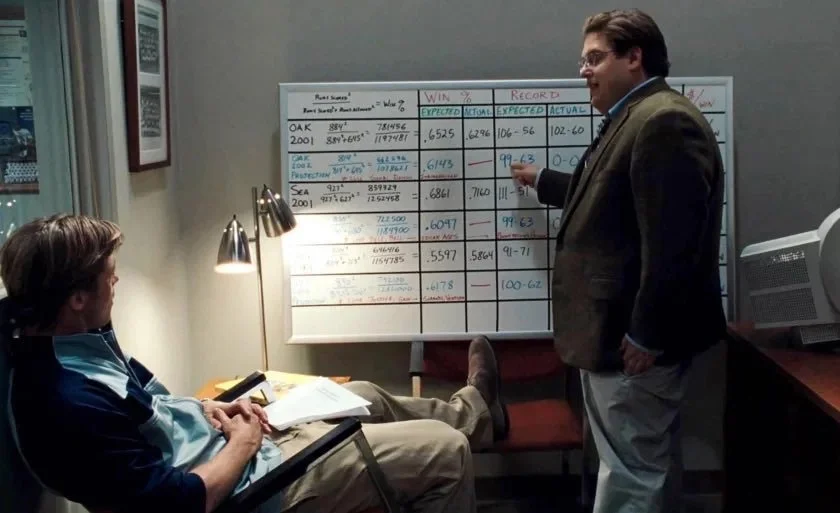
When I first started experimenting with AI-powered design and development tools, I wasn't sure how to feel about them. As an Interaction Design student, watching AI generate layouts, prototypes, and even functional websites from a simple prompt was both impressive and intimidating.
If AI could create in seconds what might normally take a designer or developer hours, where did that leave designers?
This question stayed with me throughout the development of MoneyBol, a football analytics platform inspired by the ideas behind Moneyball. The project became an opportunity not only to learn how AI could accelerate design and development, but also to better understand where human designers fit into an increasingly AI-assisted workflow.
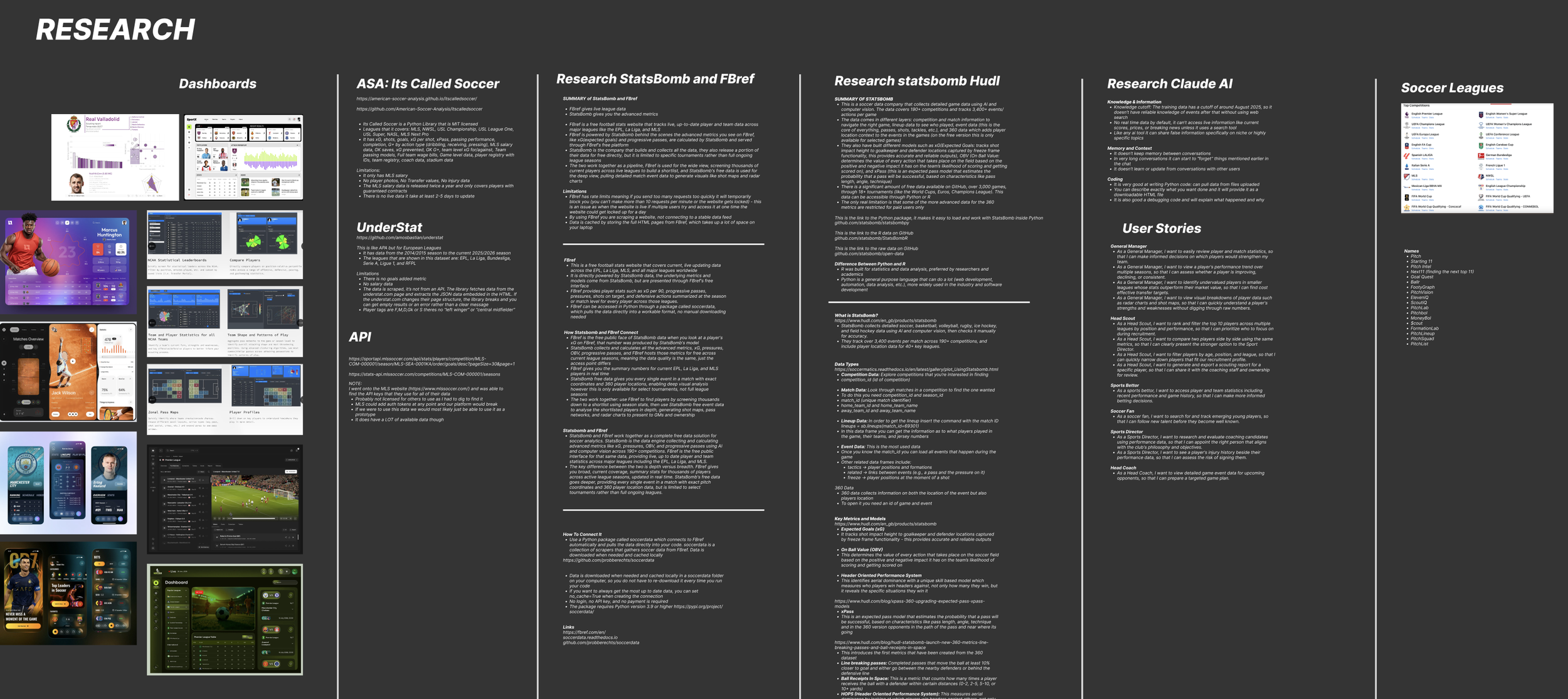
Research conducted during the early stages of the MoneyBol project. Understanding the problem space, users, and existing solutions helped inform every design decision that followed.
Building the Foundation Before AI
One of the biggest misconceptions about AI-assisted design is that AI creates the product.
In reality, much of the work behind MoneyBol happened before AI was ever involved.
The project began with research into sports analytics, football data, public APIs, competitor products, and potential user groups. We explored how data could be presented in a way that was engaging and understandable for fans, athletes, coaches, and analysts.
From there, we followed a process that reflected many Lean UX principles:
Defining the problem space
Establishing a North Star vision
Creating "How Might We" statements
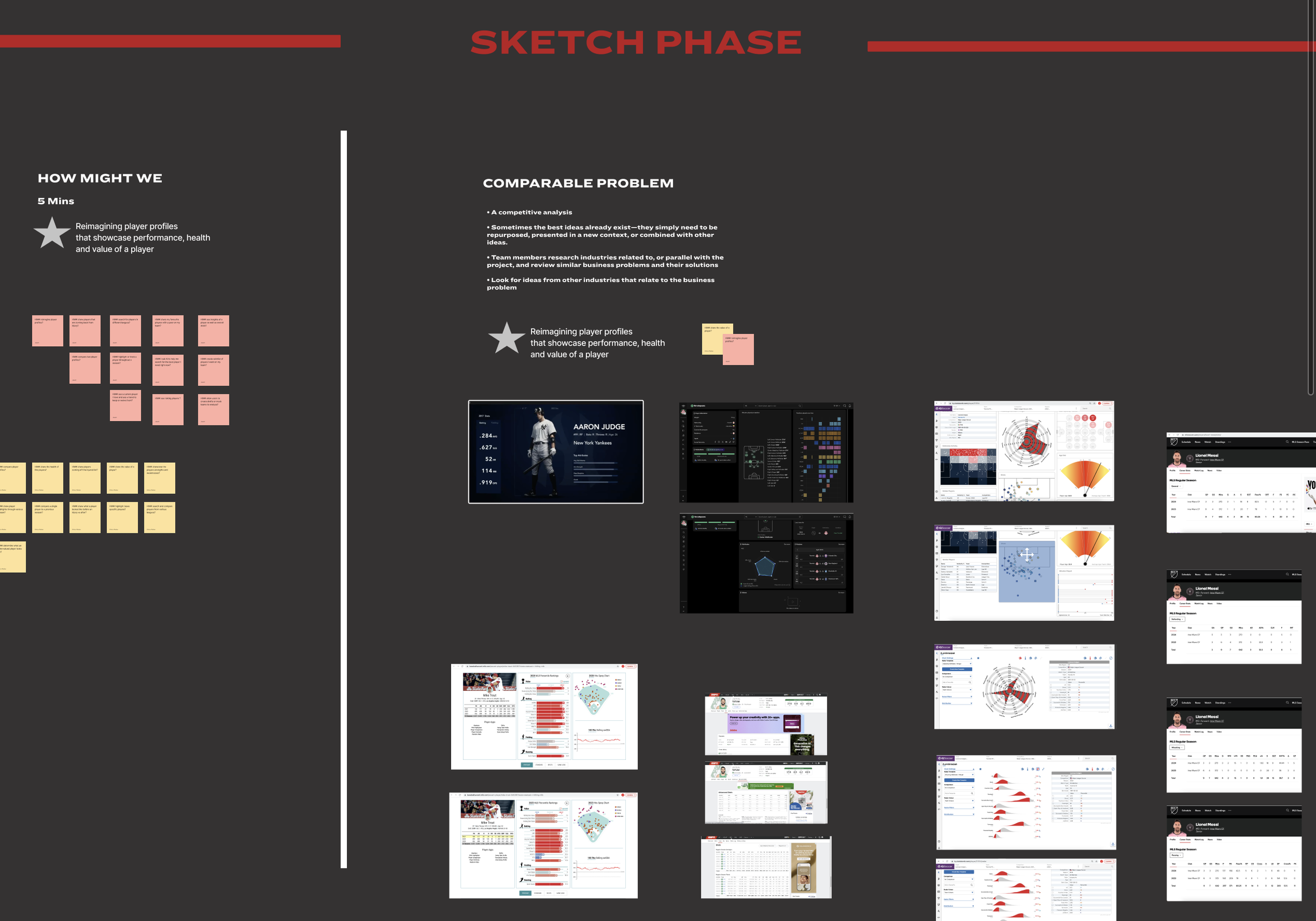
Analyzing comparable products
Running ideation exercises
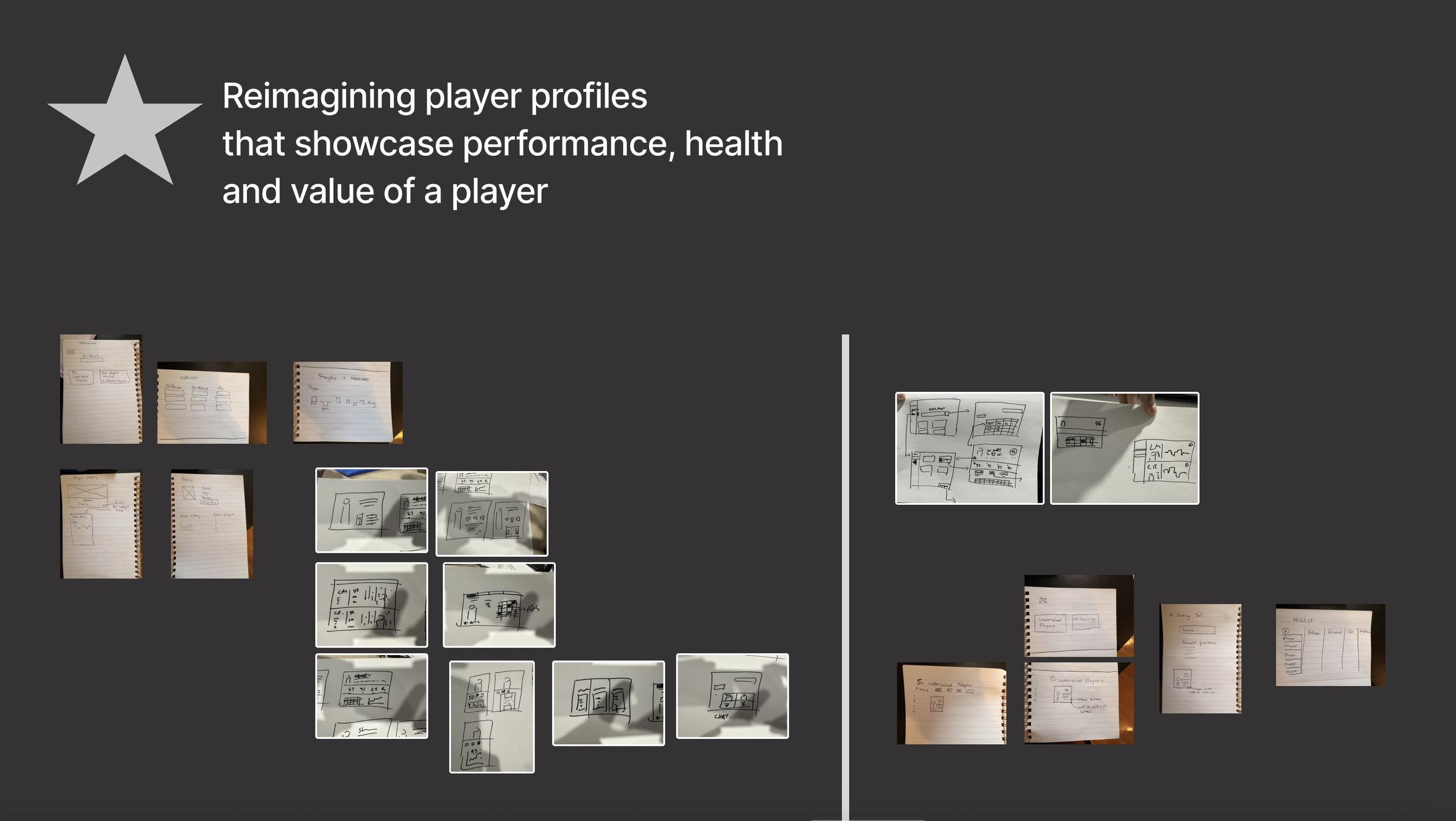
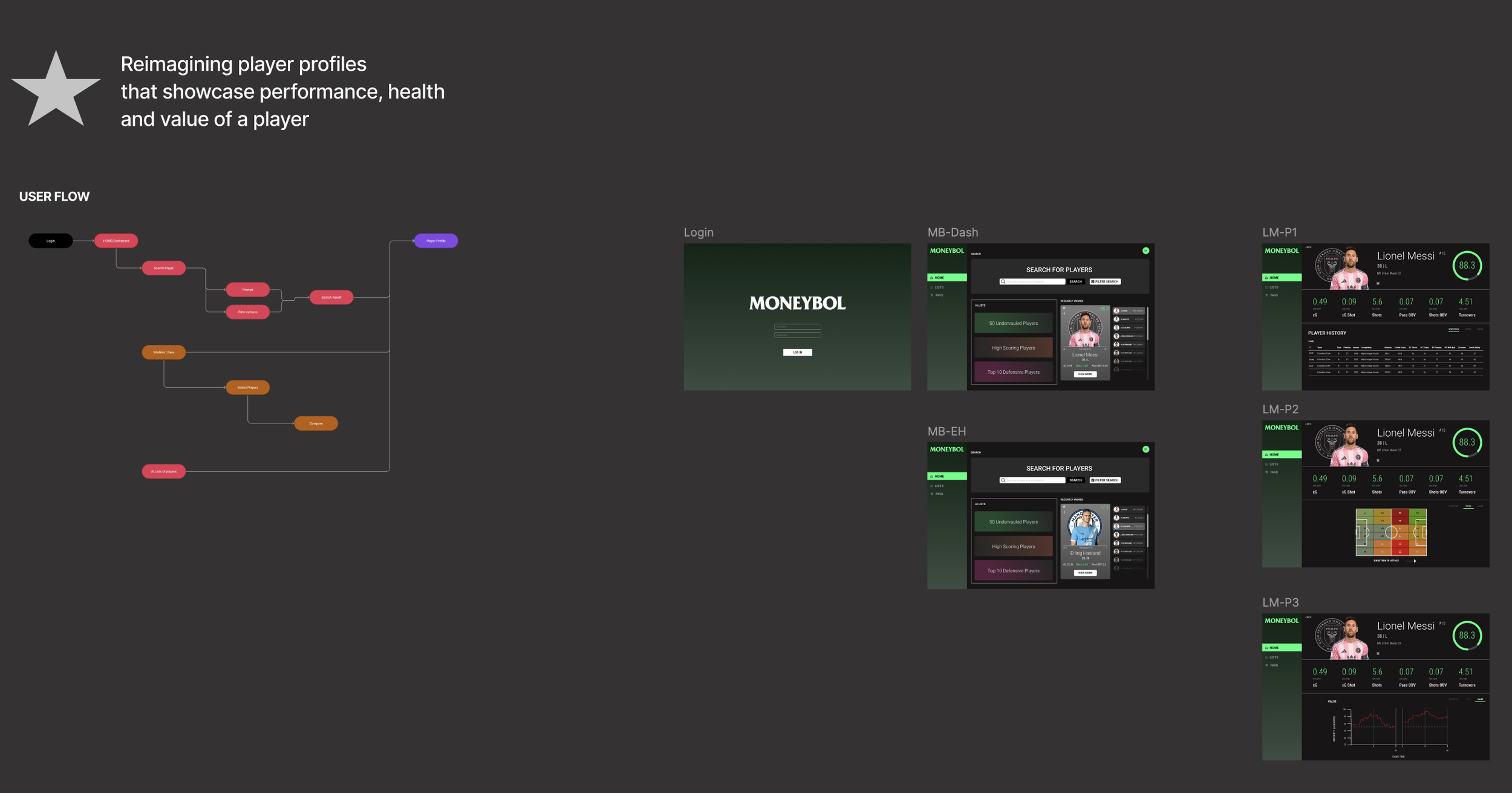
Sketching concepts and user flows
Developing high-fidelity wireframes
Every major decision about the platform's goals, features, content, and user experience came from people. The strategy, vision, and direction of the project were shaped through research, discussion, and design thinking long before AI entered the process.
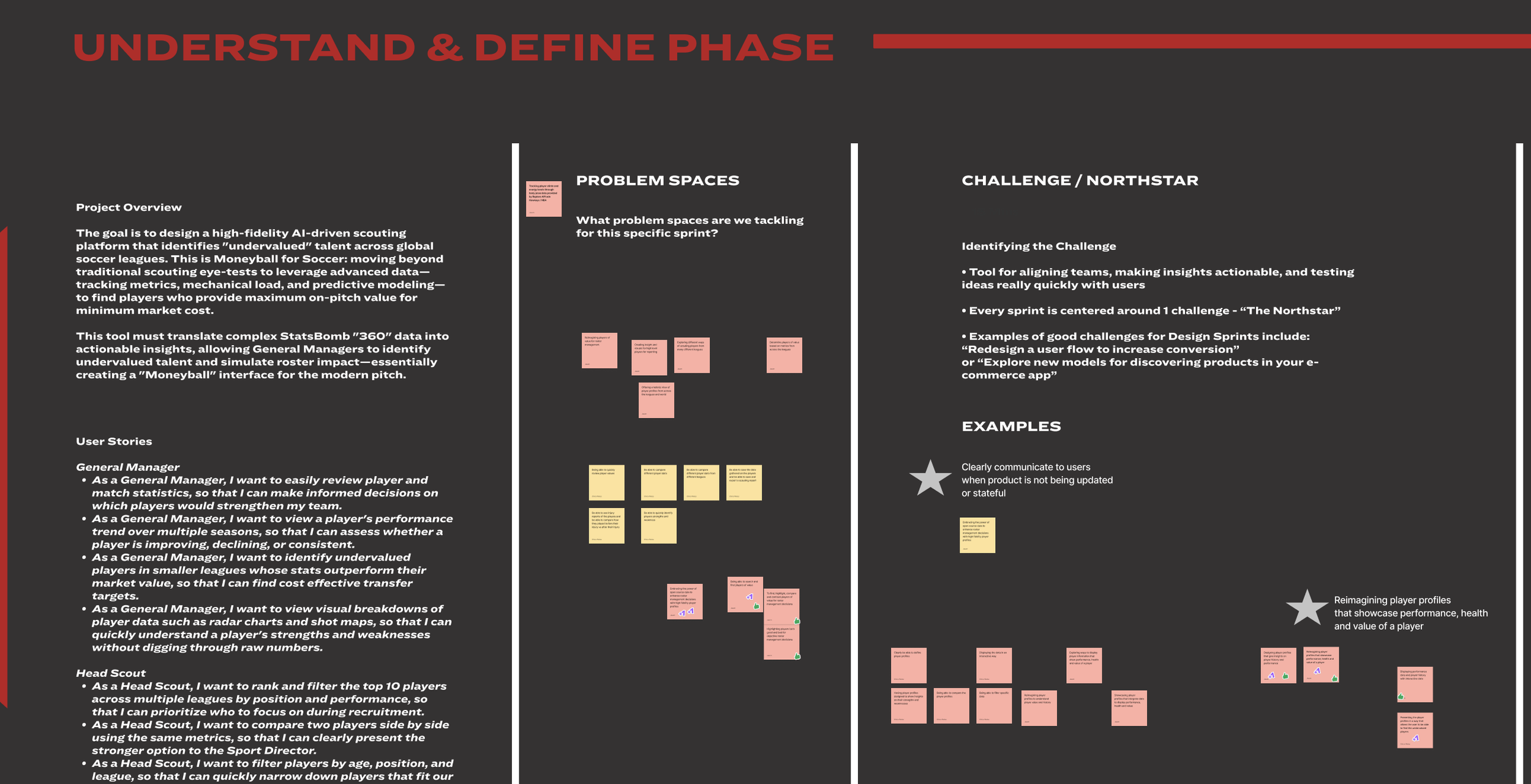
Our design sprint helped us quickly explore ideas, align on goals, and identify opportunities before moving into prototyping and development.
Where AI Fit Into the Process
Once our designs were established, AI became a valuable tool for implementation.
Rather than manually coding every page from scratch, AI helped transform design concepts into functional web experiences much more quickly. Features could be generated, tested, adjusted, and refined in a fraction of the time that traditional development often requires.
This speed aligned closely with Lean UX principles.
Instead of spending large amounts of time building a single solution, we could rapidly create, evaluate, and iterate on multiple versions. The cycle of Build → Measure → Learn became much faster because AI reduced the time between an idea and a working prototype.
At first, this felt incredibly powerful.
But it also revealed some important limitations.
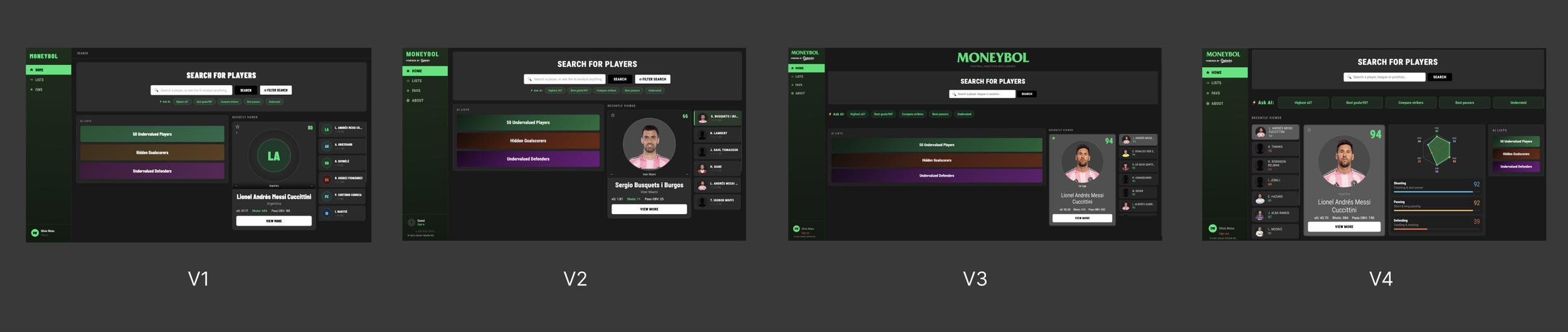
Early MoneyBol prototypes showcasing the iterative design process. Multiple concepts were explored, tested, and refined before arriving at the final user experience.
The Reality of AI-Assisted Development
One thing I quickly learned while building MoneyBol was that AI does not eliminate the need for revisions.
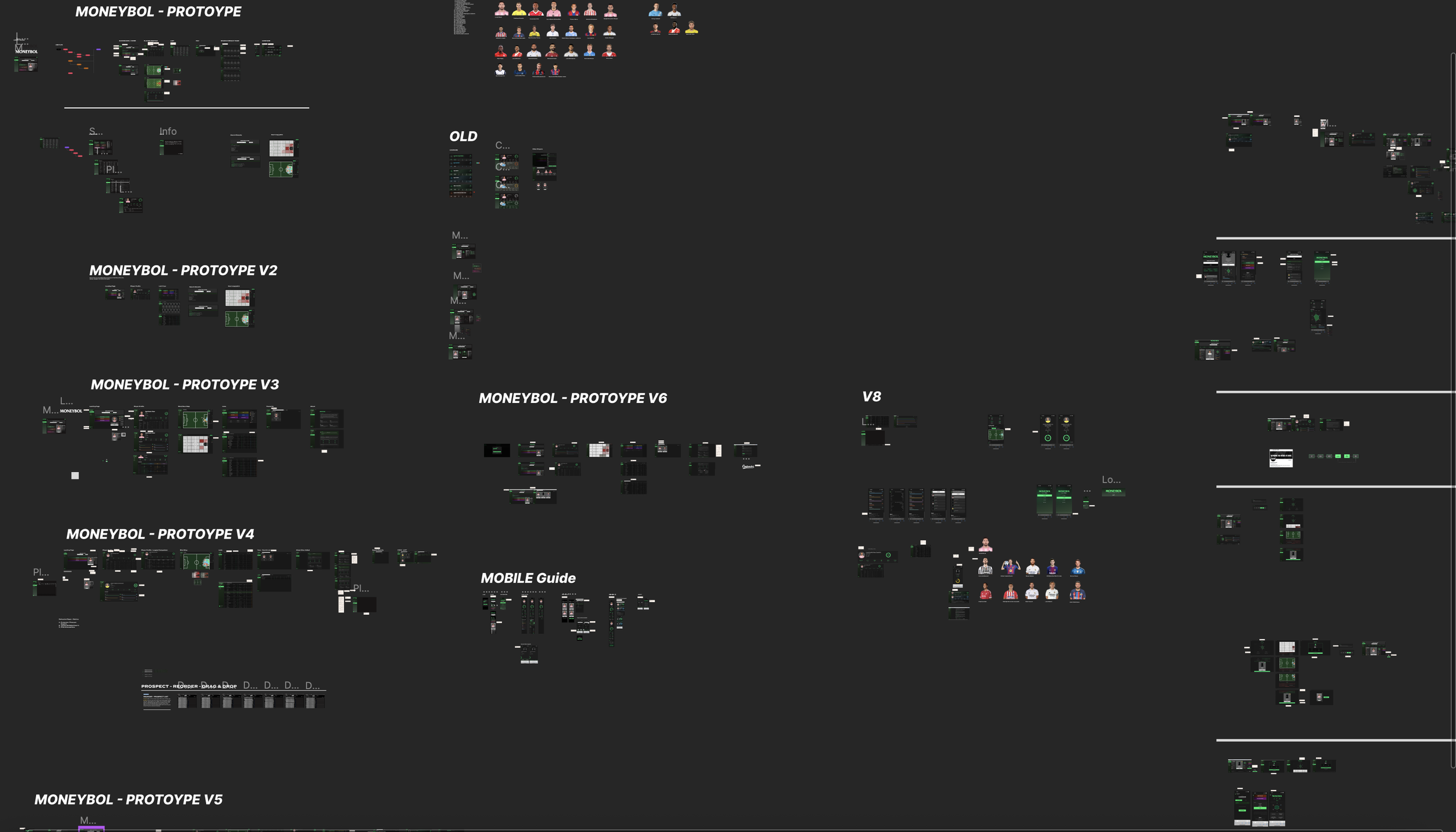
In fact, the project involved numerous revisions and prototypes before we reached a version that effectively communicated the platform's purpose and delivered a cohesive user experience.
Layouts changed. Features evolved. Navigation was adjusted. Visual hierarchy was refined. Content organization was revisited multiple times.
While AI could generate solutions quickly, it could not determine which solution was best for users or aligned with the goals of the product.
That responsibility remained with the design team.
Another challenge was maintaining consistency throughout development.
There were times when changes that had already been completed would unexpectedly reappear or revert while AI was implementing a new feature elsewhere on the site. Something that had been fixed earlier in the process might suddenly return, requiring additional testing and troubleshooting.
As a result, every update required careful review. Development wasn't simply about generating code, it was about evaluating outputs, identifying issues, making adjustments, and continuously refining the experience.
The process was far more iterative than we initially expected.
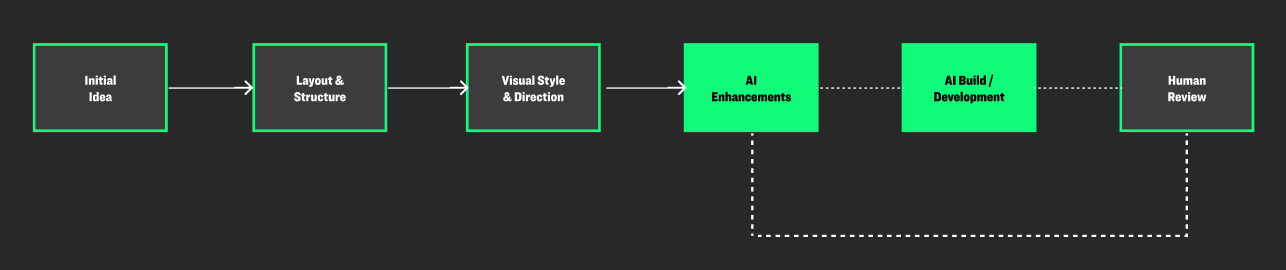
A visual representation of how AI fit into the MoneyBol workflow. Designers defined the problem, structure, and direction, while AI accelerated execution, prototyping, and iteration.
AI Doesn't Make Design Decisions
Working on MoneyBol helped me realize that AI excels at execution, but struggles with decision-making.
AI can generate layouts.
AI can create components.
AI can build functionality.
But AI cannot determine whether a design actually solves the right problem.
It cannot conduct meaningful stakeholder conversations. It cannot fully understand business objectives. It cannot identify the emotional needs of users or evaluate whether an experience feels intuitive.
Many AI-generated outputs were technically functional, but often lacked intentionality. Hierarchy, spacing, typography, interaction details, and overall user experience still required human judgment and refinement.
The final version of MoneyBol was not successful because AI built it.
It was successful because designers continuously evaluated, revised, tested, and improved what AI produced.
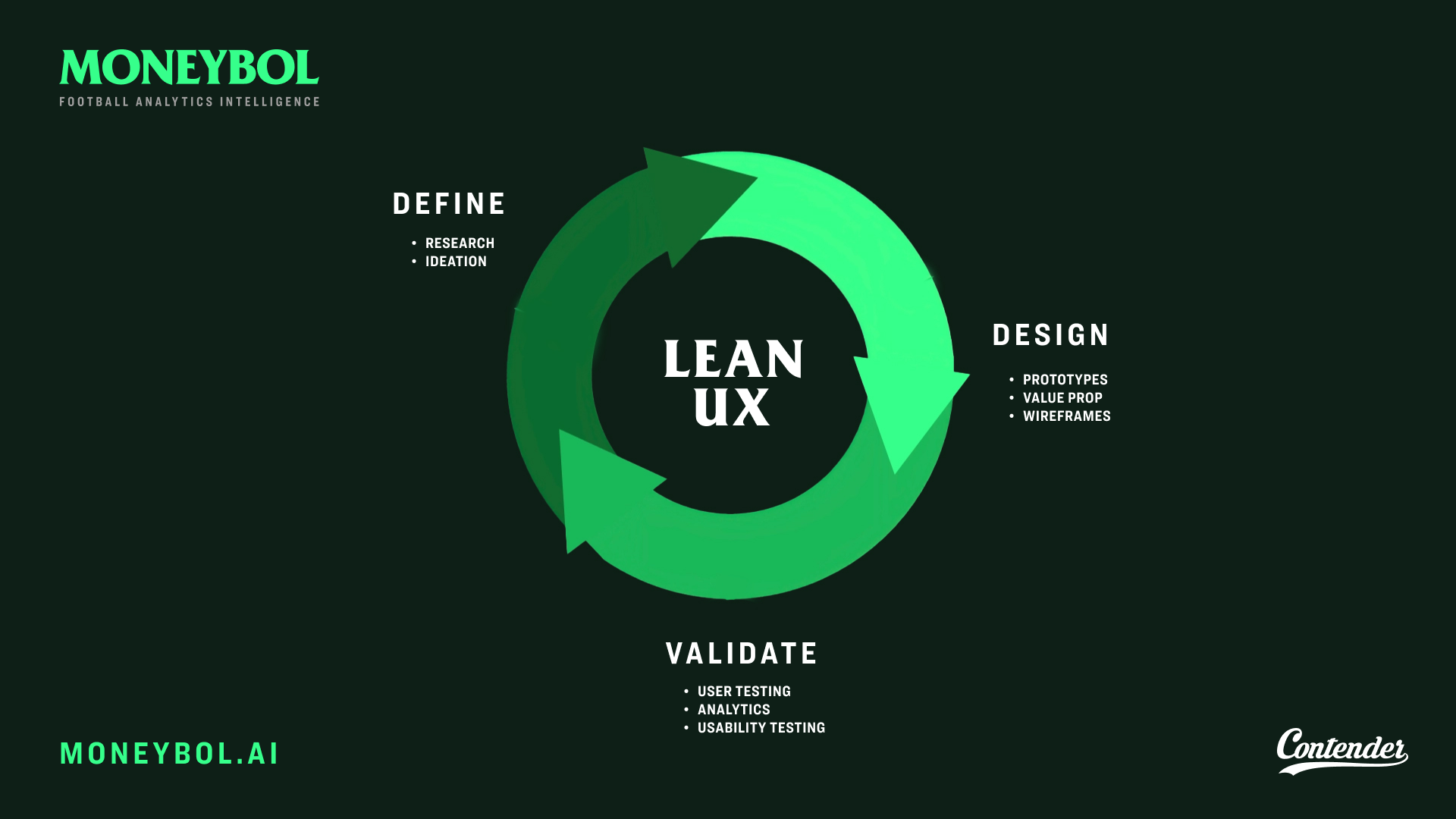
Lean UX provided the foundation for the MoneyBol design process, emphasizing continuous research, rapid prototyping, and iterative refinement throughout development.
Lean UX and the Future of Design
One of the most valuable lessons I learned from MoneyBol is how naturally AI complements Lean UX.
Lean UX encourages teams to build quickly, test early, gather feedback, and iterate continuously. AI accelerates each of these stages by reducing the time needed to move from an idea to a working prototype.
However, faster production does not automatically create better design.
The speed of AI makes research, validation, and critical thinking even more important. When ideas can be generated instantly, the ability to evaluate those ideas becomes increasingly valuable.
This is where designers continue to play a critical role.
As AI becomes more capable, designers are shifting away from simply creating deliverables and toward guiding strategy, facilitating decision making, and ensuring that products meet real user needs.
In many ways, designers are becoming creative directors of the design process.
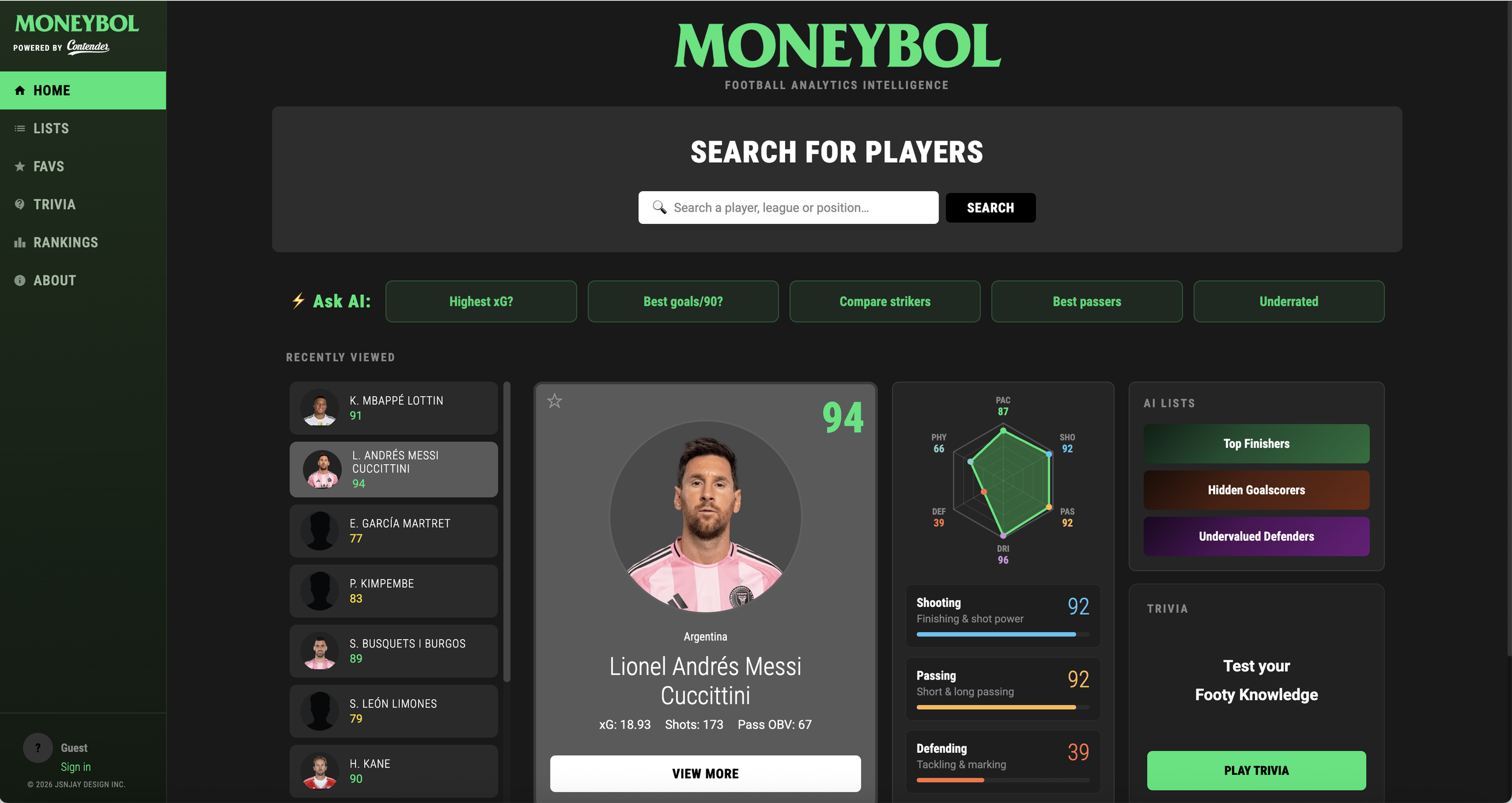
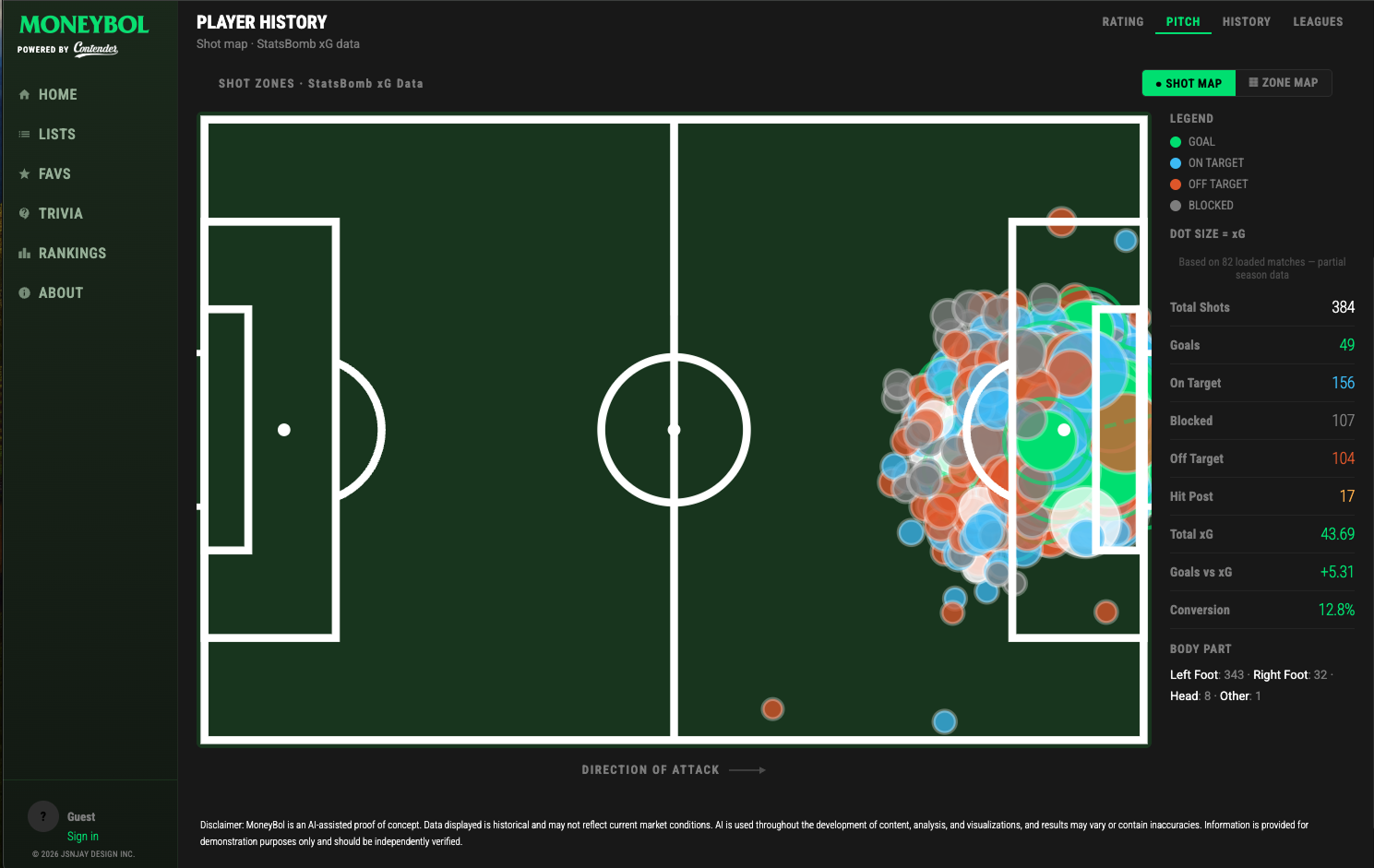
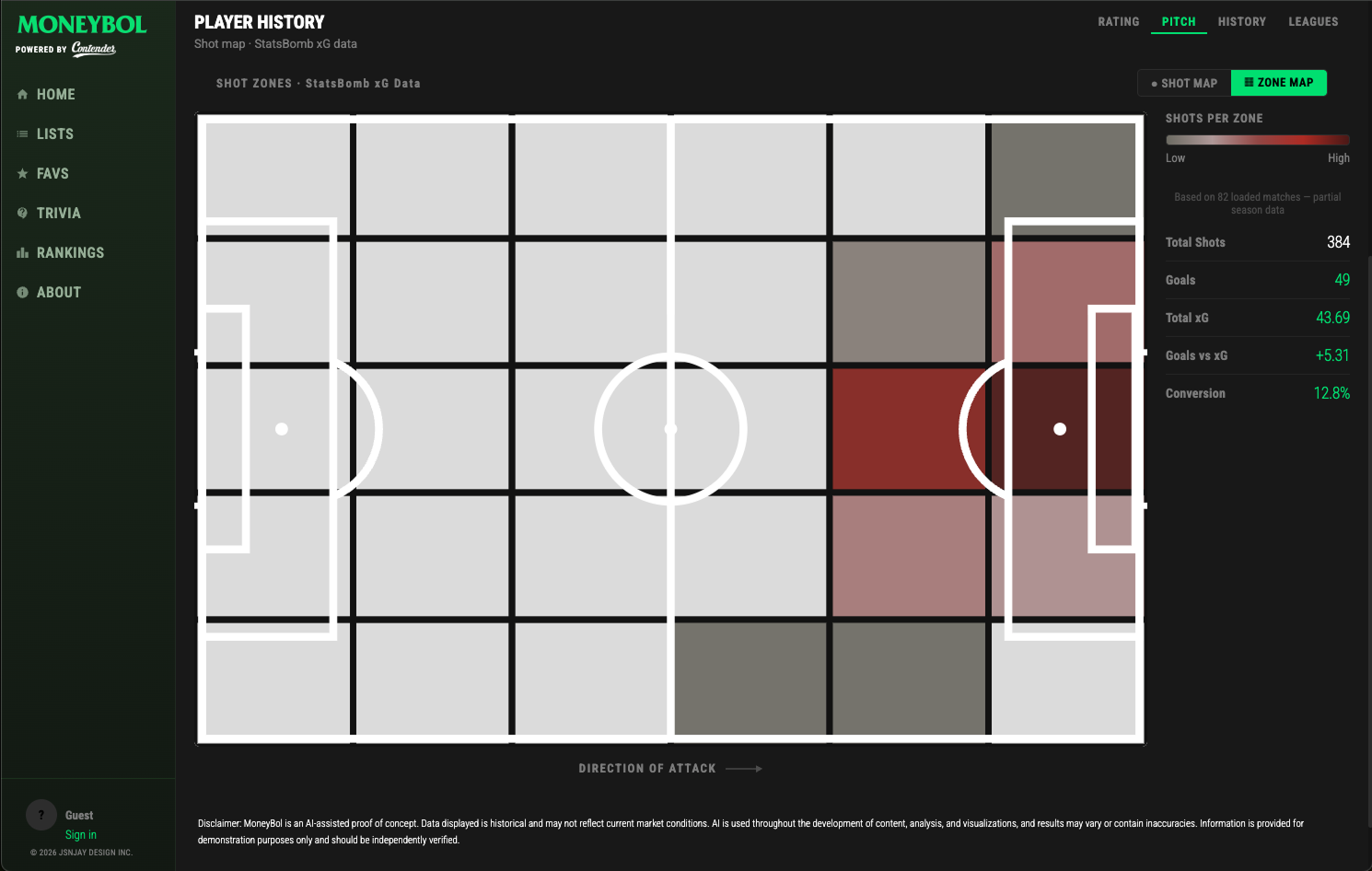
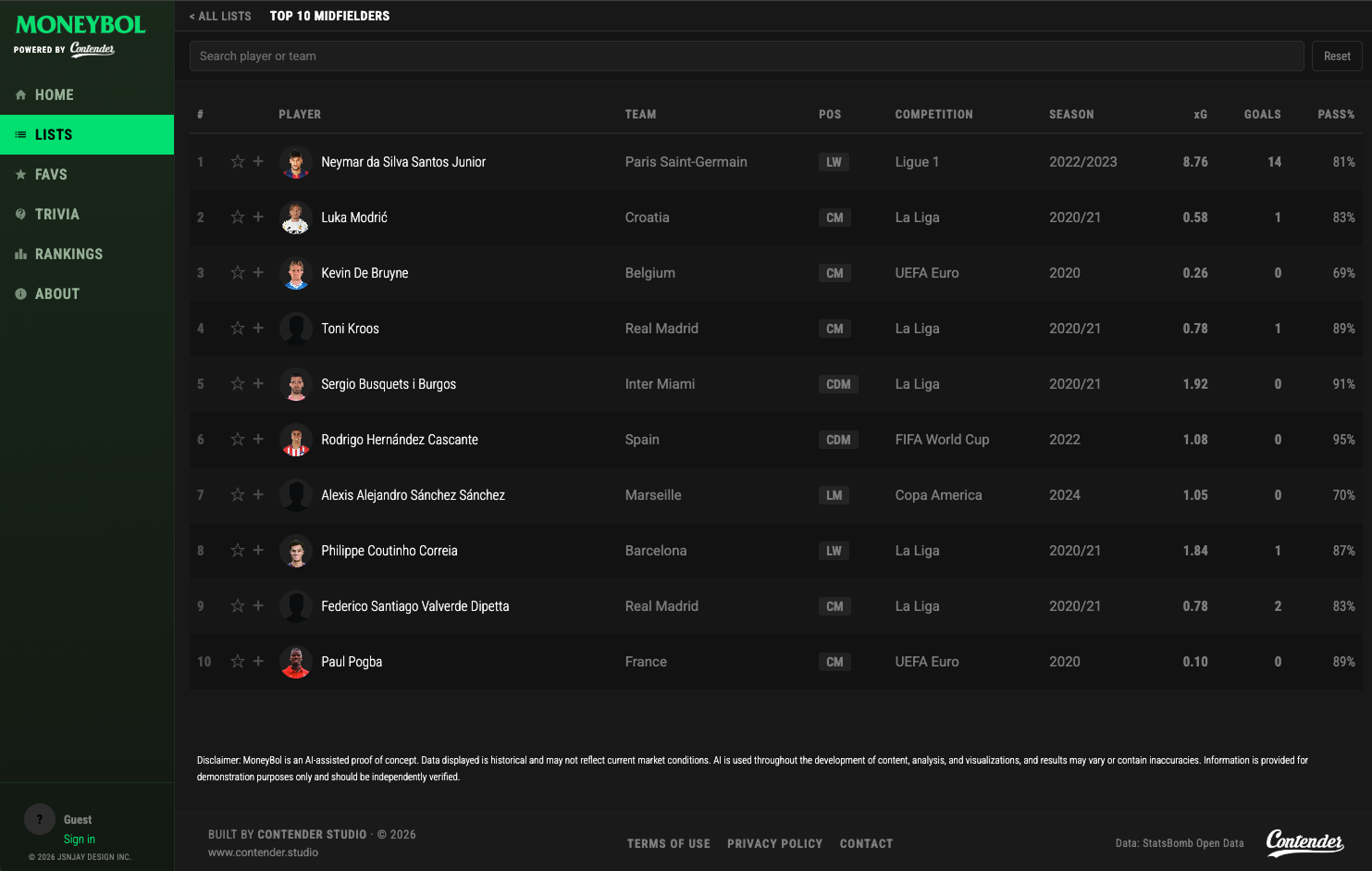
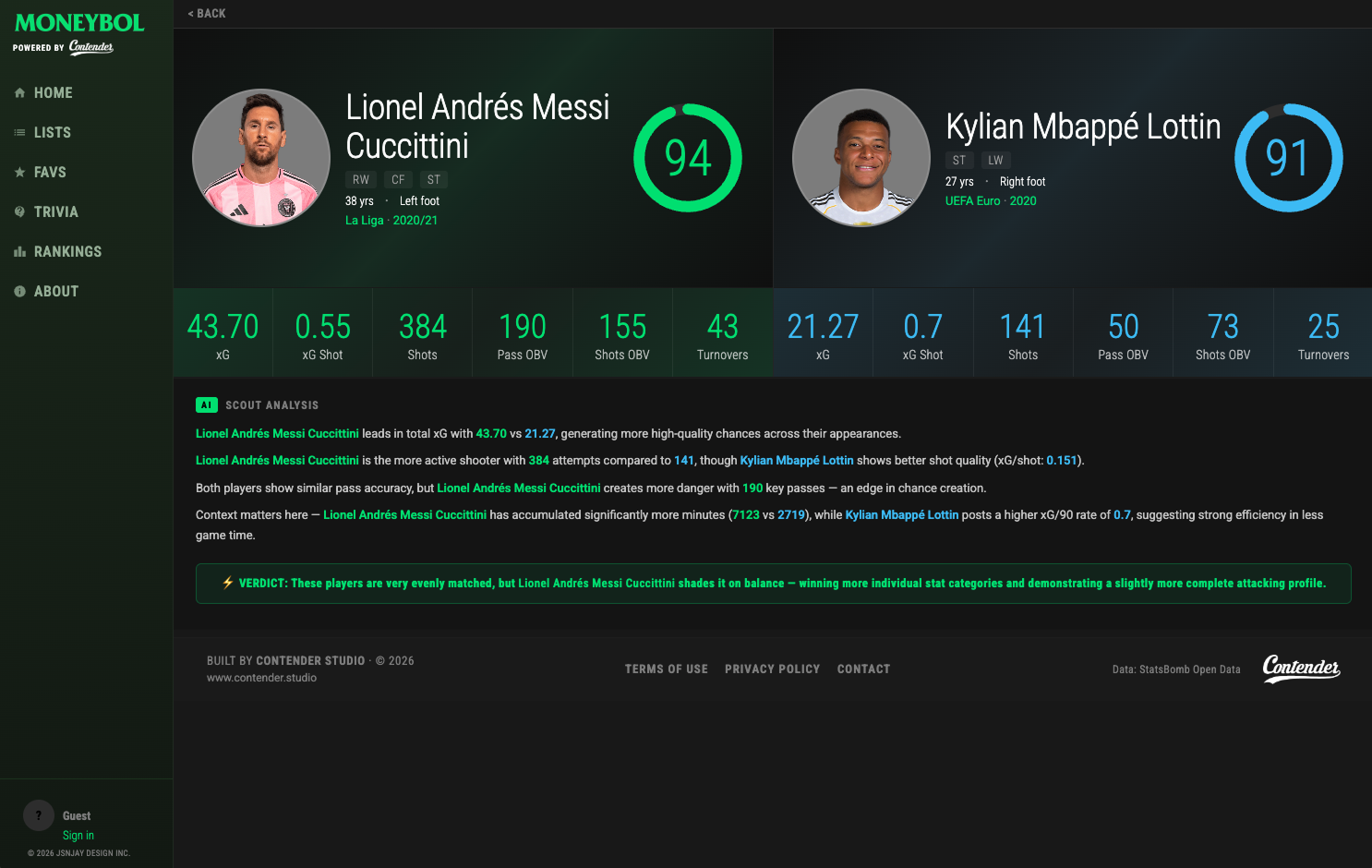
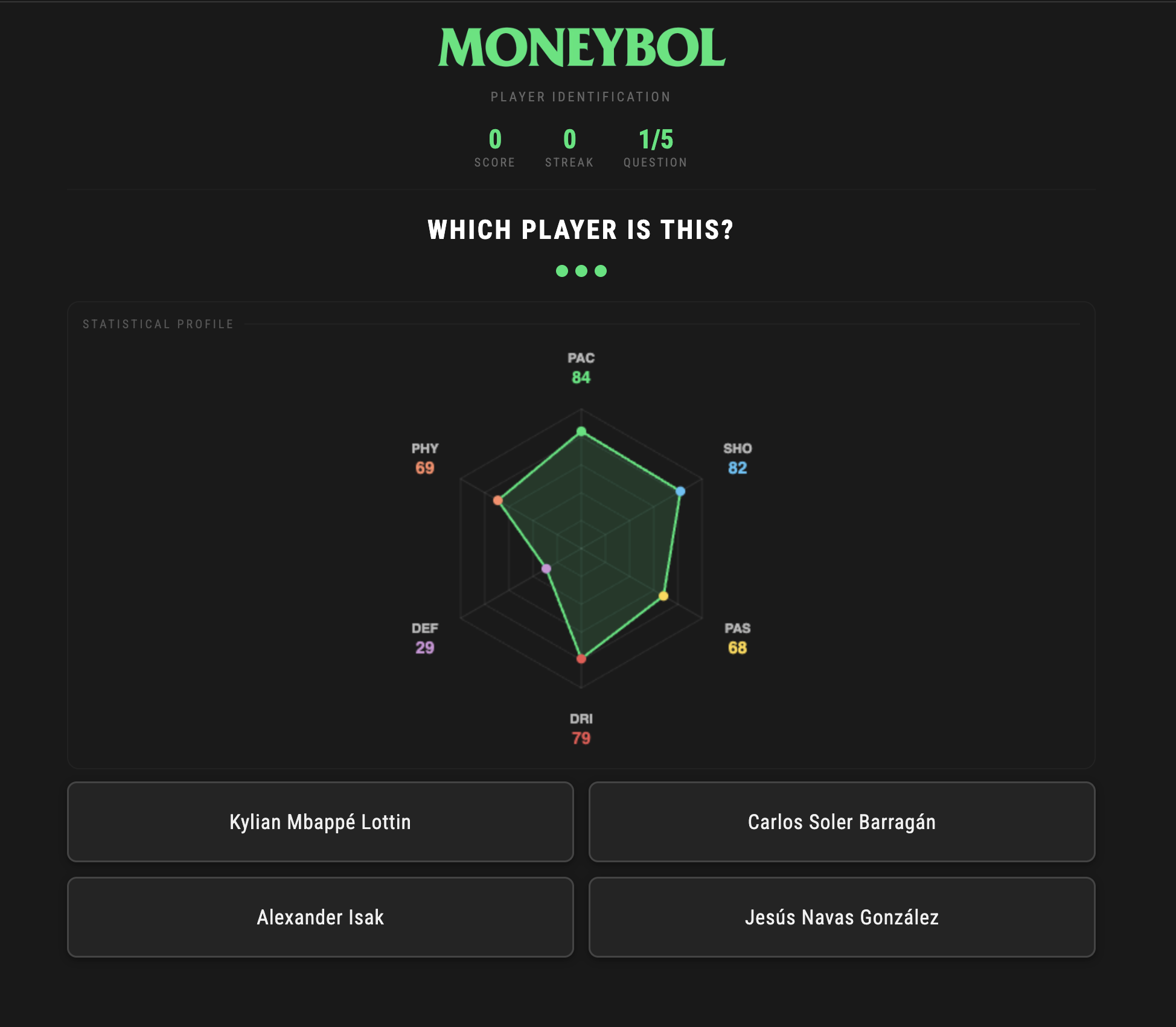
MoneyBol home screen showcasing the core interface of our AI-driven football analytics experience.
Final Thoughts
Before working on MoneyBol, I viewed AI as something that might eventually replace parts of the design process.
After working with it extensively, I see it differently.
AI is an incredibly powerful tool that can accelerate development, support rapid iteration, and reduce time spent on repetitive tasks. It helped bring MoneyBol to life much faster than would have been possible through traditional workflows alone.
At the same time, the project demonstrated that good design is about much more than creating screens or writing code.
Good design requires research, empathy, problem-solving, testing, and decision-making.
Those responsibilities cannot simply be automated.
The final version of MoneyBol was not the result of a single prompt. It was the result of research, collaboration, multiple revisions, countless design decisions, and continuous iteration.
AI helped us move faster.
Designers made sure we were moving in the right direction.
Olivia Weiss
Design Intern
Contender Studio