
Celebrating the Toronto Tempo's Inaugural Season

Toronto has officially entered the WNBA.
On Thursday, September 24, the Tempo closed out their first regular season against the Connecticut Sun in Uncasville. It was a long way from December 2024, when the team's name and logo were accidentally revealed in a WNBA website dropdown menu one day before the planned unveiling. In between came a new franchise, a new roster, packed arenas, historic performances, and a season that took the WNBA across Canada.
Toronto became the league's 14th franchise and the first based outside the United States. Led by Larry Tanenbaum and Kilmer Sports Ventures, the team joined after a reported $50 million USD expansion fee. But the first season wasn't just about joining the league. It was about building a foundation.
It’s already attracted partial ownership from Toronto sports royalty: Masai Ujiri, former Toronto Raptors president and NBA Champion the GROAT Kyle Lowry.
Building From Scratch

On November 4, 2025, Sandy Brondello was named the Tempo's first head coach, tasked with creating the culture and identity of an entirely new franchise. On April 3, 2026, Toronto selected 11 unprotected players in the Expansion Draft, with guard Julie Allemand, taken second overall from the Los Angeles Sparks, becoming the franchise's first-ever selection. Ten days later, the team added four rookies in the 2026 WNBA Draft, led by Kiki Rice at sixth overall.
Alongside veterans Marina Mabrey, Isabelle Harrison, Brittney Sykes, and Canadian star Kia Nurse, Toronto assembled a 16-player roster pool. The players, staff, systems, and traditions were all new. There was no previous season to build from, so 2026 became the starting point.
The Marina Mabrey Show
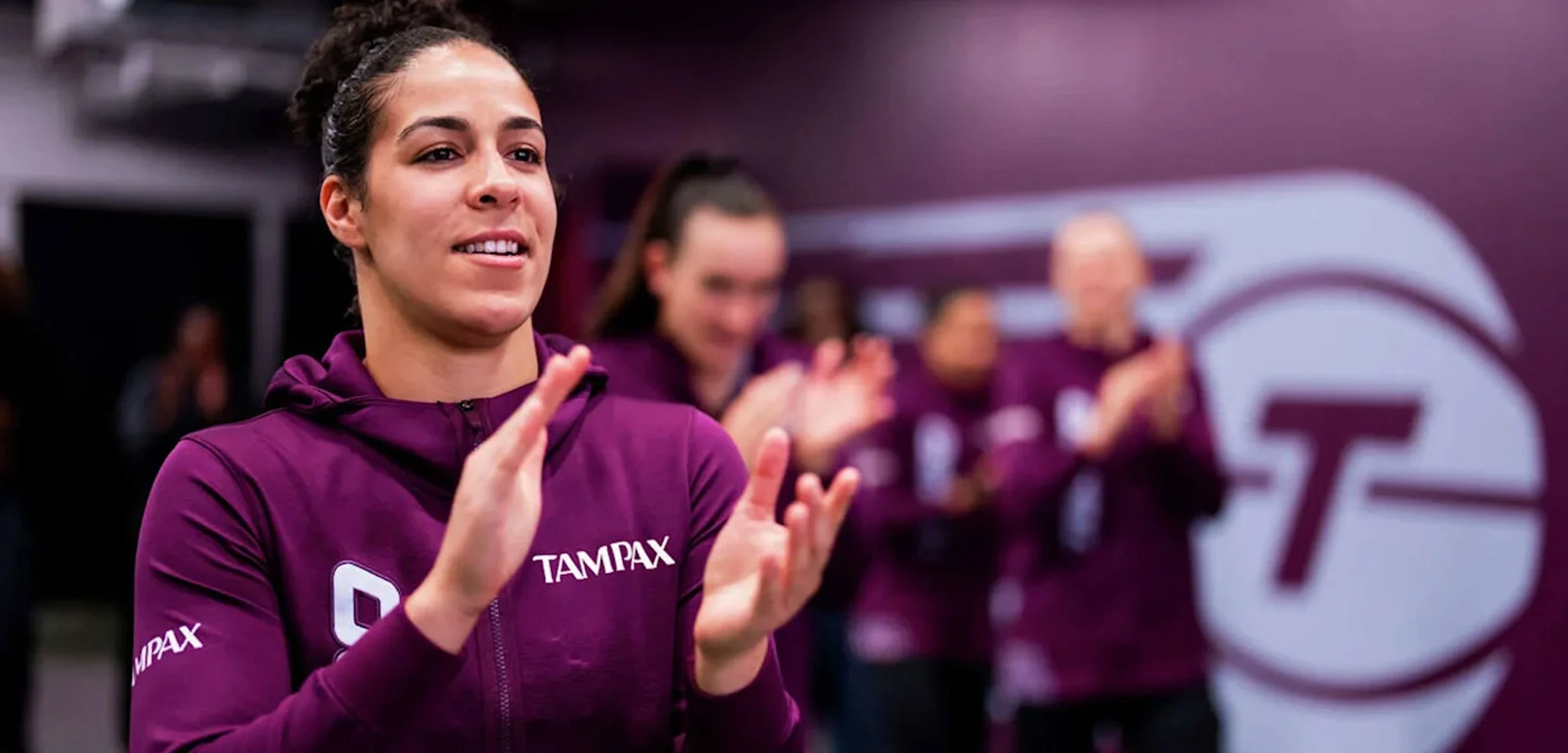
The offense ran through Mabrey, who led the team at 29.5 points per game across 32 appearances and finished with 944 points. She also set the franchise's first major scoring record with 53 points in a single game. She averaged 3.3 made threes per game, and her 30.4% usage rate ranked third in the league behind only A'ja Wilson and Caitlin Clark.
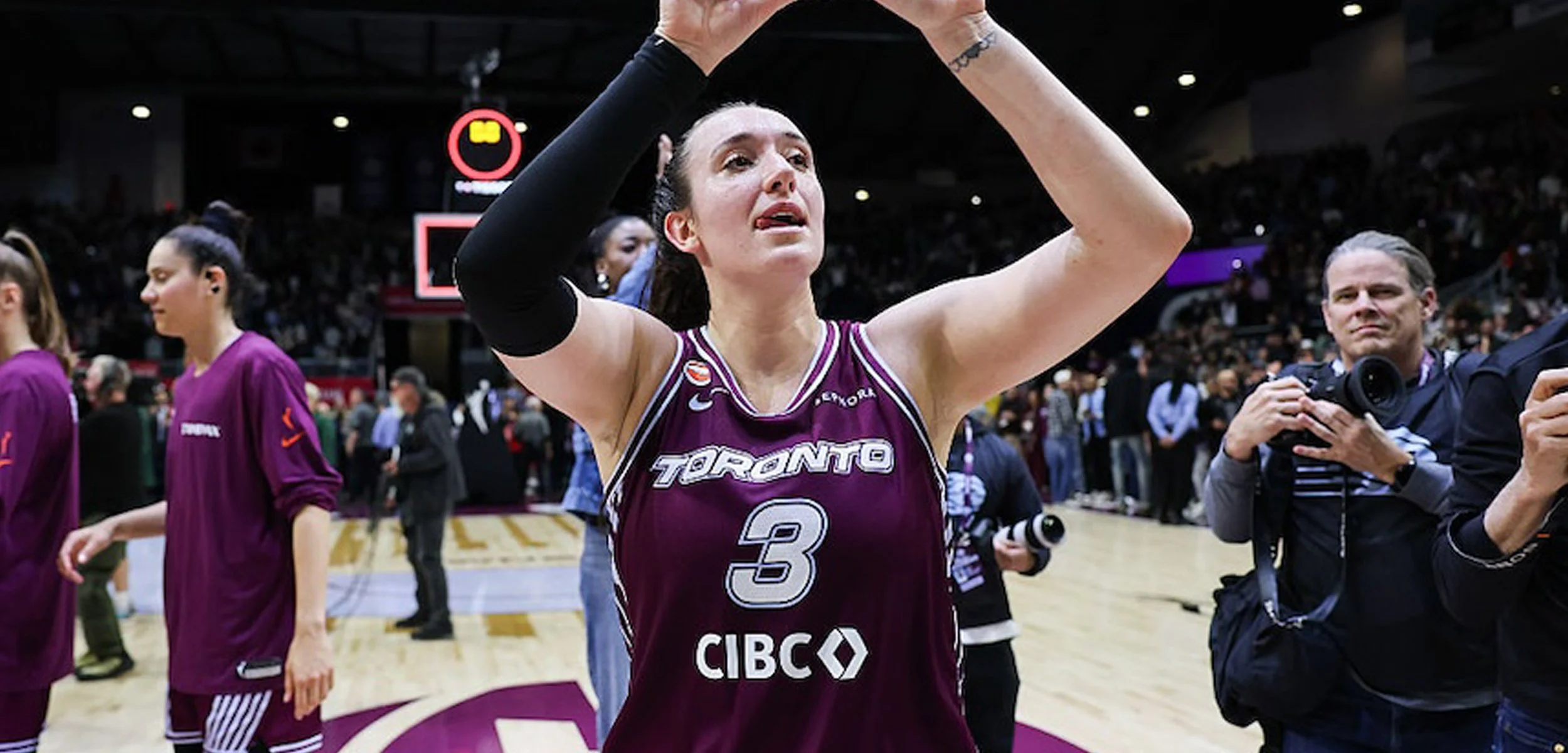
Sykes gave Toronto a second scoring threat, averaging 29.4 points per game in 17 appearances, with a season-high of 38. Allemand led the WNBA in True Shooting Percentage at 68.6%, reflecting her efficiency as the primary point guard, while Harrison led the team on the glass with 6.6 rebounds per game.
Toronto Could Score. Defense Is Next.
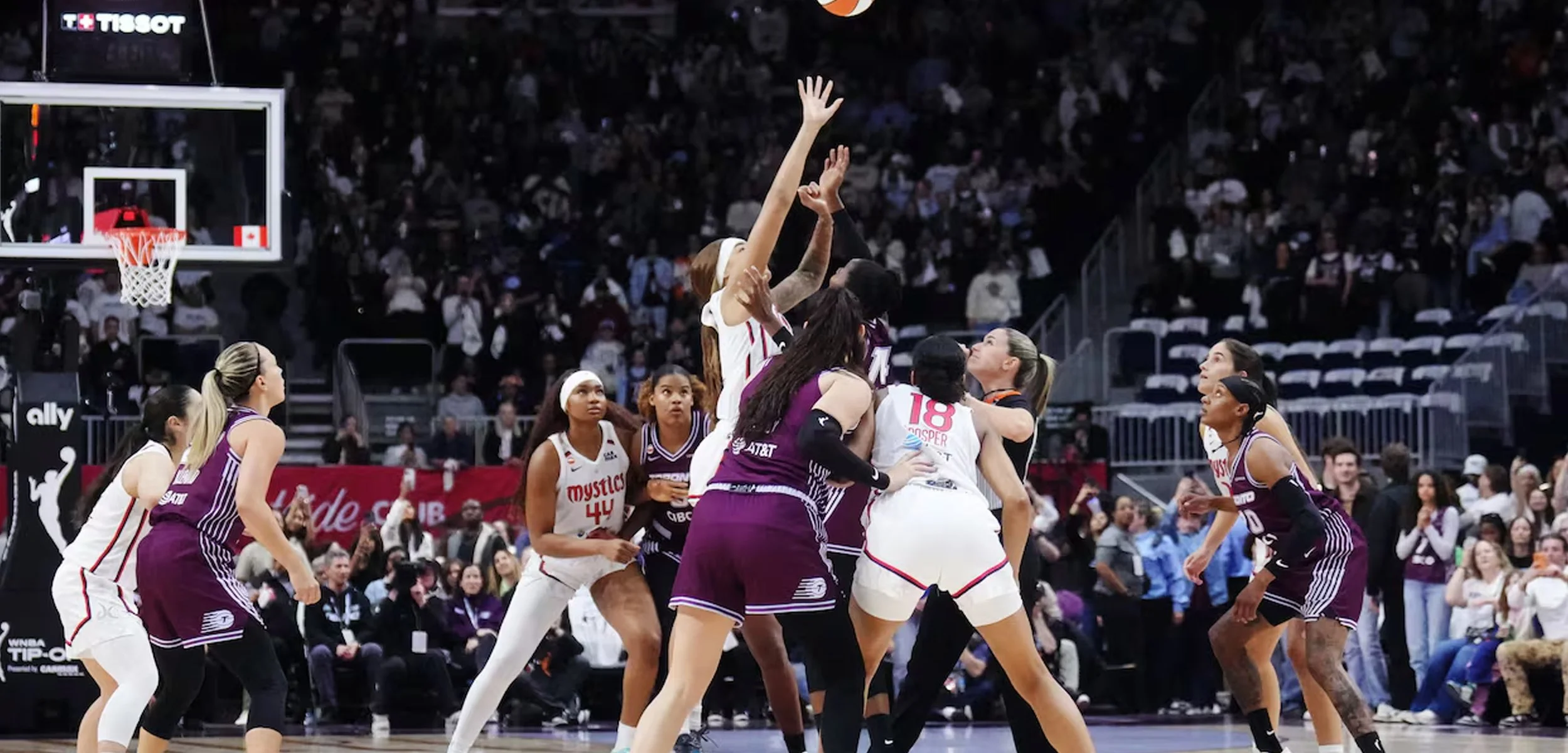
The Tempo averaged 85.8 points per game, 10th among the league's 15 teams. They made 9.5 threes per game (fifth in the WNBA) and shot 80.3% from the line, also fifth.
Defense was the challenge. Toronto allowed 94.3 points per game, the league's highest mark, including a season-high 113 to the Indiana Fever on June 16 in Commissioner's Cup play. That's the reality of an expansion team building chemistry and systems against established franchises. The first season showed the offensive potential. The next step is the other side of the ball.
A Season Across a Country
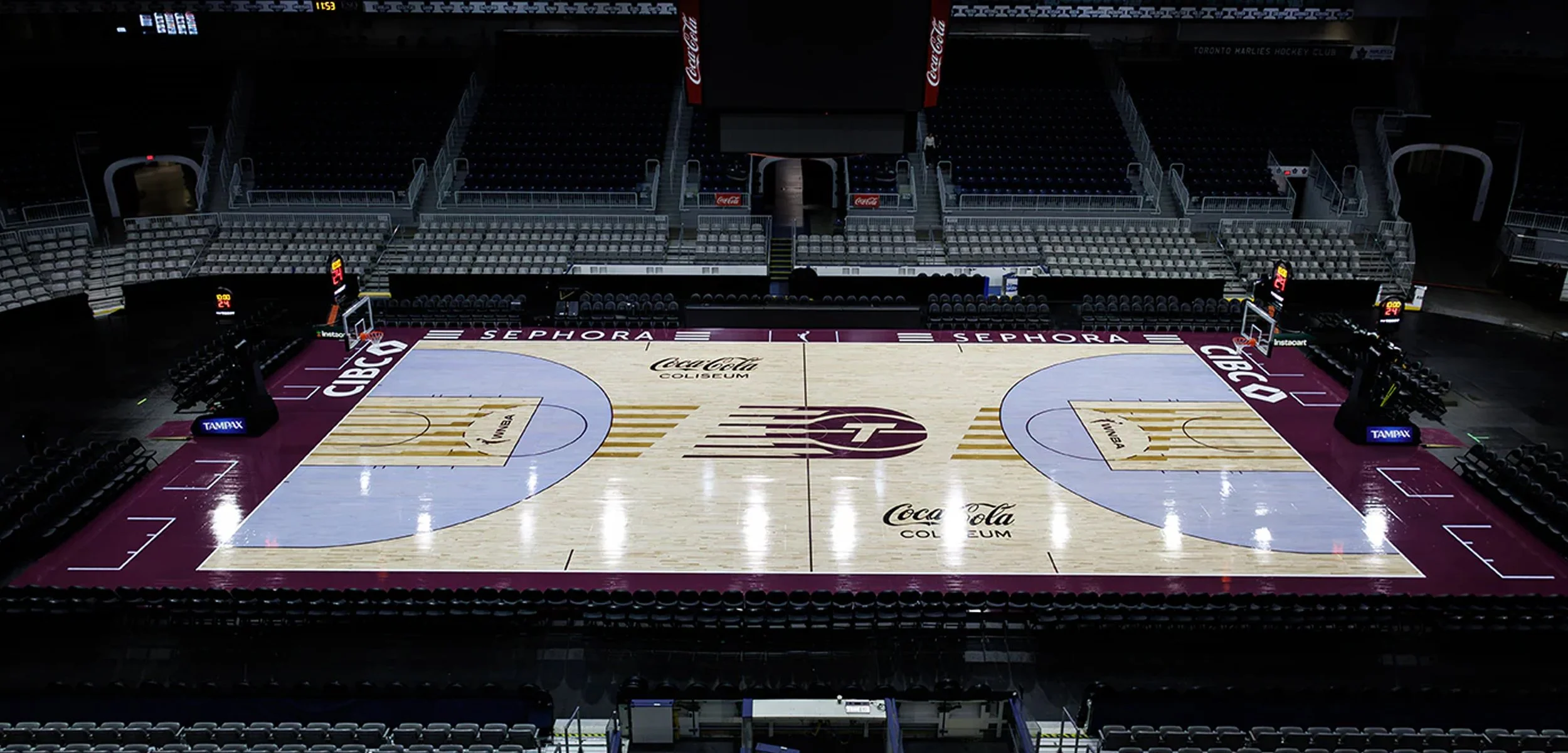
The Tempo's home court wasn't limited to Toronto. Their 22 home games were spread across four venues in three provinces:
Coca-Cola Coliseum, Toronto: the primary home, an 8,500-seat venue that hosted 15 games.
Scotiabank Arena, Toronto: three games, with room for roughly 19,800 fans.
Bell Centre, Montreal: two games in July, against the Dallas Wings and New York Liberty.
Rogers Arena, Vancouver: two games in August, against the Portland Fire and Las Vegas Aces.
The Tempo didn't just launch a Toronto team. They brought the WNBA experience to fans across Canada.
A Season of Firsts
Over 44 games, the Tempo played a nine-game home stretch from June 25 through July 20, six Commissioner's Cup games (three home, three away), and a 15-day pause from August 31 through September 14 for the FIBA Women's Basketball World Cup. Every one of those numbers belongs to a season that can only happen once.
Off the Court, a Brand Was Born

The Tempo launched with a distinct identity built on four colors, Bordeaux, Borealis Blue, black, and white, and two mascots, Dez and Dot. From an accidental leak to opening night, that identity became part of a larger story about Toronto's arrival on the women's basketball stage.
The First Chapter Is Written

The Tempo built a roster from scratch, introduced a new brand, played in four arenas across three provinces, and gave basketball fans across Canada a team to call their own. There were growing pains, but there were also packed buildings and a 53-point night that future players will be measured against.
The 2026 season will be the reference point for everything that comes after it. The story isn't finished. It's just getting started.
Ten toes down. Toronto is in the WNBA.
See you in 2027.
.
.
.
By Jason Jay
CEO | Creative Director